Guides & advice · Style
Documentary Wedding Photography: What It Means and Who It’s For
By John Roberto · 12 June 2026 · 6 min read
“Documentary”, “reportage”, “candid”, “natural”. Wedding photographers use these words constantly, and they've been stretched to mean almost anything. Here's what documentary wedding photography actually involves, how it differs from traditional coverage, and an honest look at who it suits, and who it doesn't.
The short version
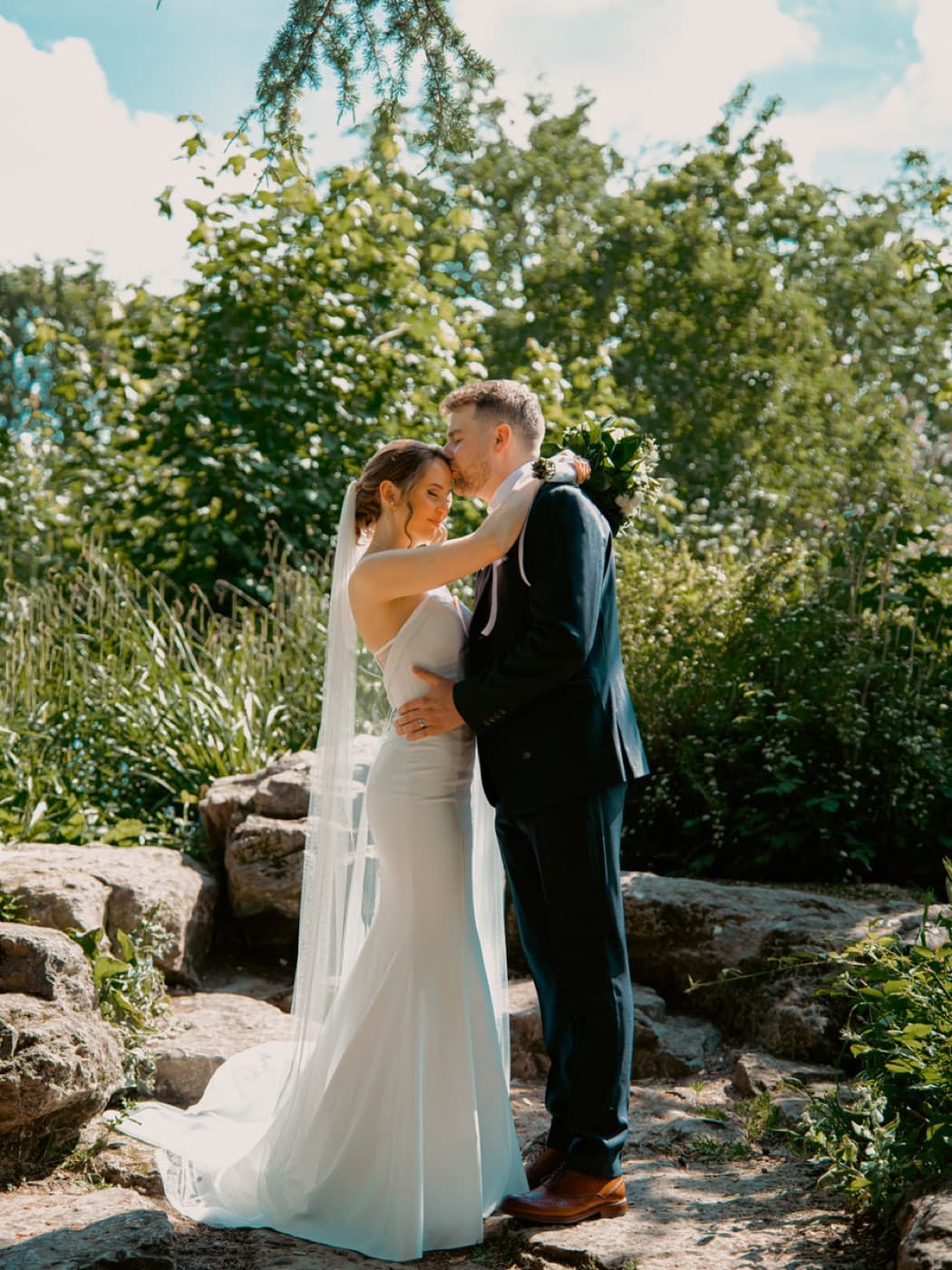
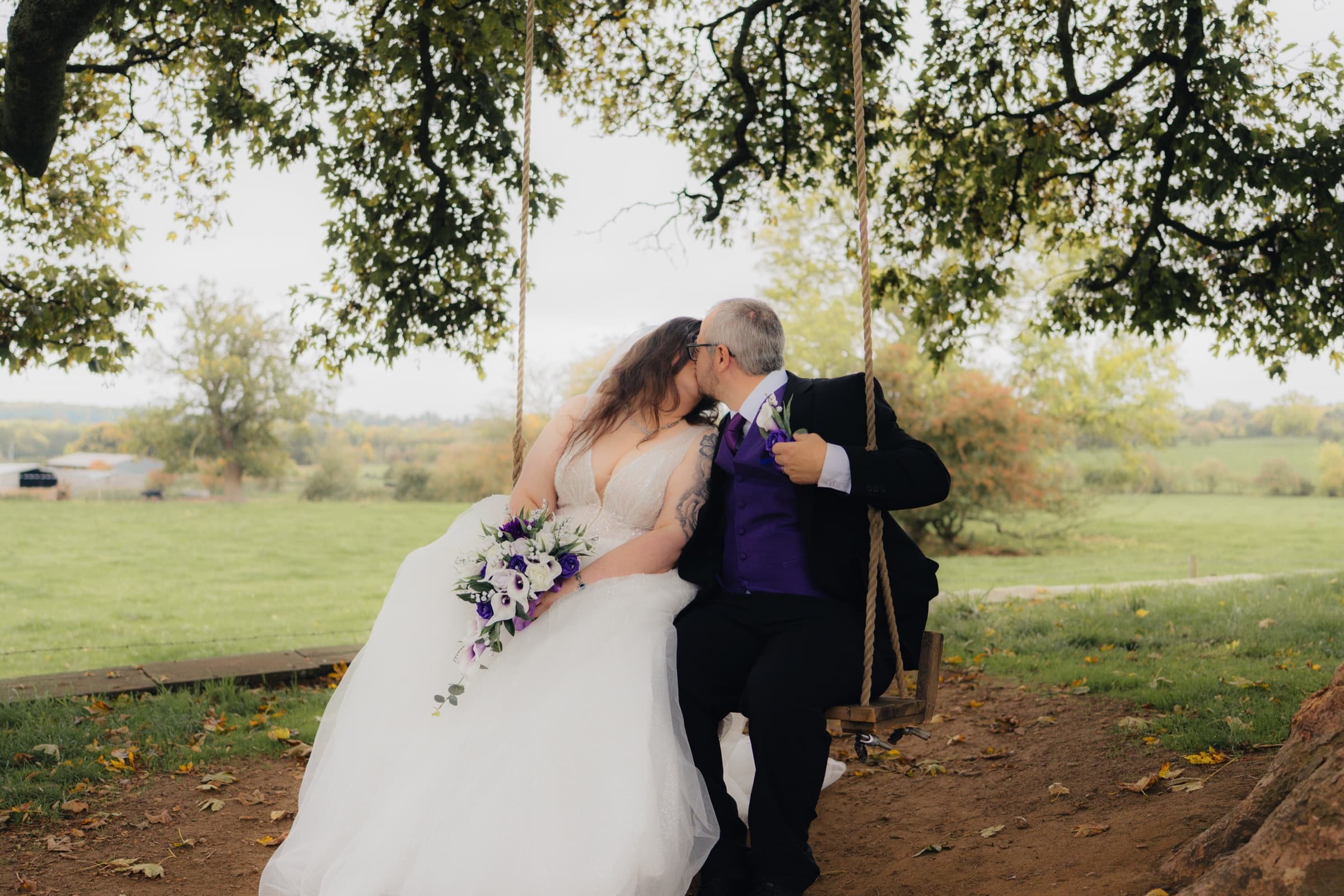
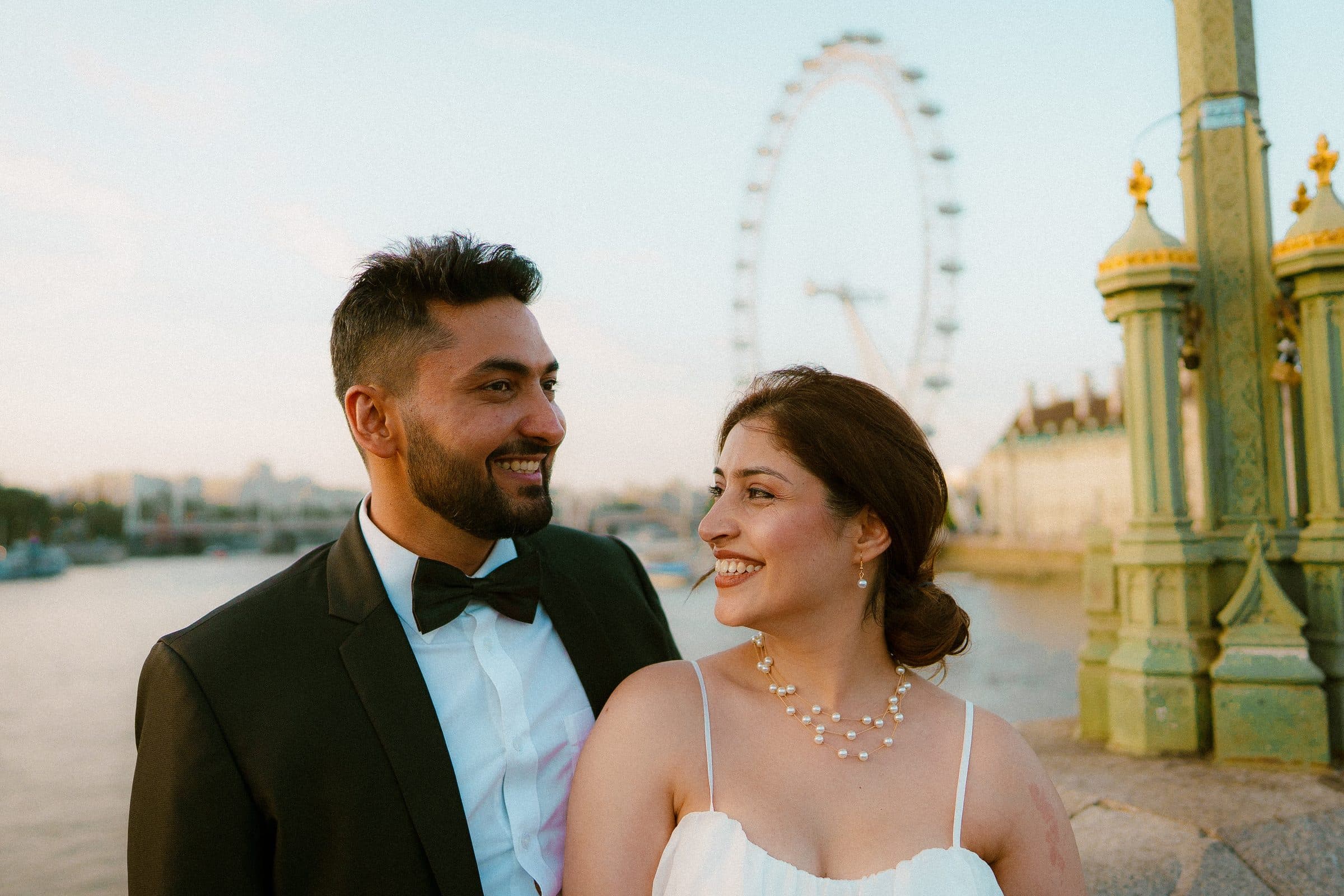
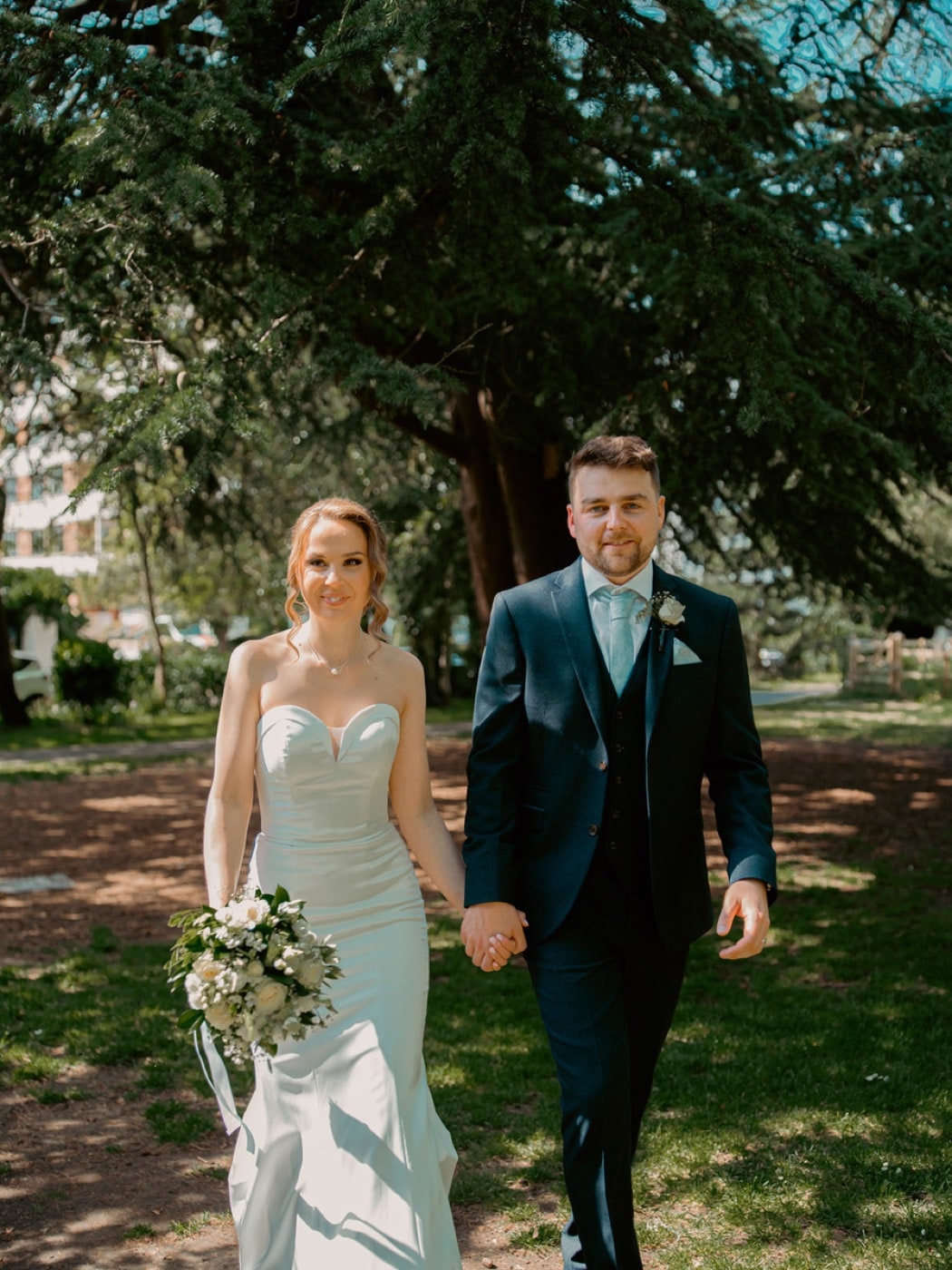
A documentary wedding photographer photographs your day as it happens, rather than arranging it for the camera. No staged confetti runs repeated three times, no twenty-minute line-ups on the lawn, no interrupting the speeches for a better angle. The photographer's job is to anticipate moments and be standing in the right place when they arrive.
The test is simple: when you look at the photos, do you remember the moment, or do you remember being told where to stand?
How it differs from traditional coverage
Traditional wedding photography is built around a shot list: a sequence of arranged photographs: family groupings, staged cake cuts, the couple looking at each other on cue. Done well it produces polished, formal images, and some couples love that.
The trade-off is time and atmosphere. Every staged photograph pulls you out of your own wedding, and guests can spend long stretches waiting while combinations of relatives are assembled. Documentary photography inverts the priority: the day comes first, and the photographs come from it.
“But do we still get the group photos?”
Yes, and this is the most common misunderstanding. Documentary doesn't mean refusing to direct anything, ever. Most documentary photographers (us included) plan a short list of group photographs in advance and shoot them efficiently, ten to fifteen minutes, usually during drinks, plus a few minutes of relaxed couple portraits in the best light of the day. The other 95% of the coverage is unposed.
What it looks like on the day
- Before: a proper conversation about your timeline, the people who matter, and anything unusual about the day, so nothing needs explaining on the morning.
- During: the photographer works quietly, mostly without flash, close enough to catch real expressions and far enough away to never be the centre of attention. Guests relax once they realise nobody is going to pose them.
- After: the skill continues in the edit, selecting the images that tell the day's story and finishing them consistently. With us, that's a private gallery of individually edited photographs within 21 days.
Who it suits
- Couples who hate posing, or feel awkward in front of cameras.
- Weddings where the guests are the point: big families, old friends, children everywhere.
- Intimate and registry-office weddings, where heavy staging would overwhelm the day.
- Anyone who wants photographs that feel like their wedding rather than a styled shoot.
Who it doesn't
Honesty matters here. If what you most want is a long series of formal, magazine-style arranged portraits (every combination of family, multiple outfit setups, heavily styled details), a traditional or editorial-fashion photographer will serve you better than a pure documentary one. Some photographers blend both; ask to see a full wedding gallery and check the balance matches what you want.
Questions that reveal a genuine documentary photographer
- “Can we see a complete wedding gallery, not just highlights?” The unposed claim should survive all 300 images.
- “How do you handle group shots?” Listen for a short, planned list, not reluctance.
- “What do you do during the ceremony?” The answer should involve staying out of the way.
You can see how we approach it on our wedding photography page, and if you're still comparing photographers, our guide to choosing a wedding photographer in London covers the practical checks (insurance, contracts, galleries) that apply whatever style you choose.
Related guides